Becoming an Employer of Choice in Food Manufacturing & Distribution: Why Your EVP Matters Now More Than Ever
Hywel Phillips, Chief Operating OfficerMonday 11 May 2026
Share on socials:
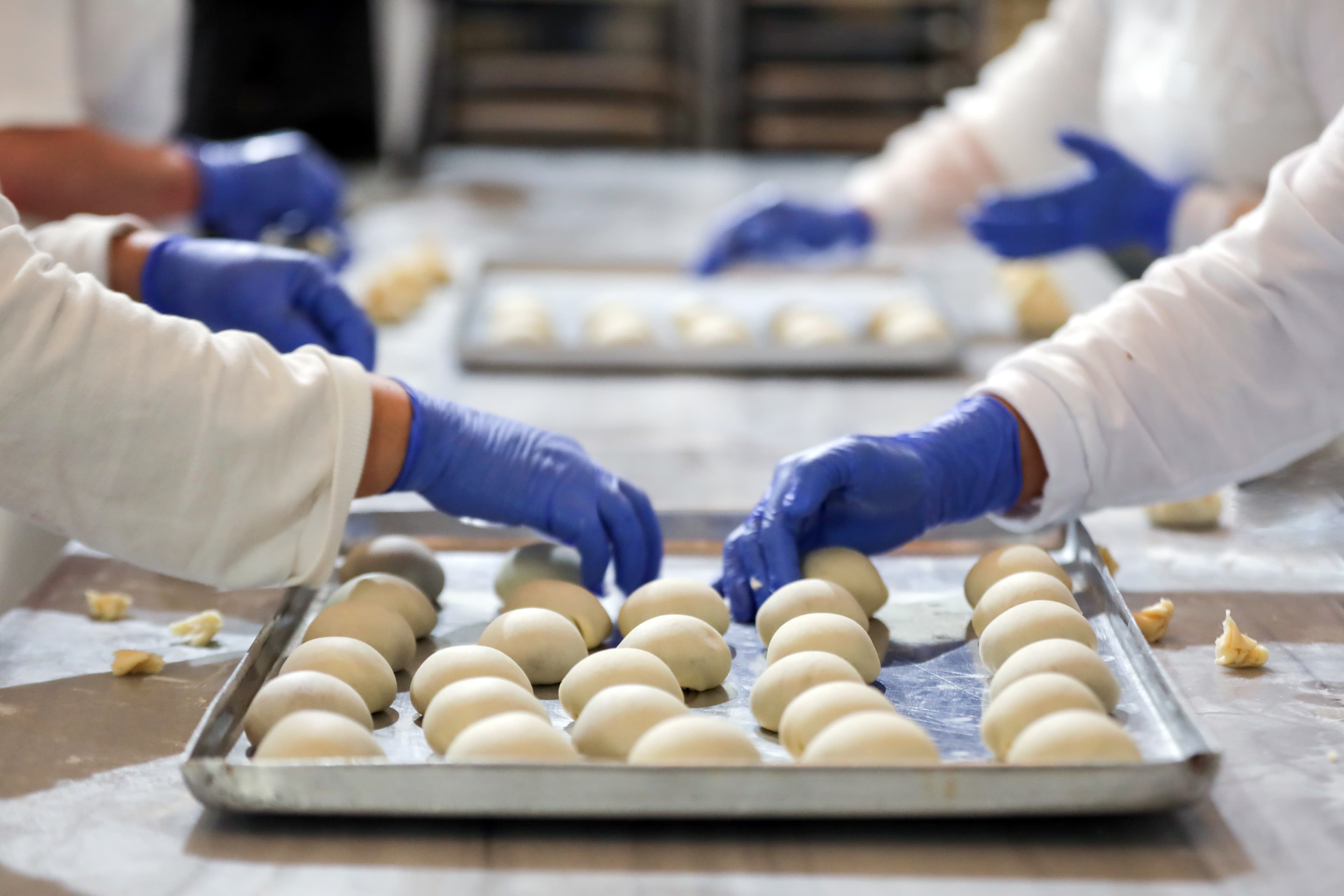
We work with many of the leading food manufacturers and distributors and during our discussions with them, we’re hearing the same themes. Good employees are harder to find. And even harder to keep. Overtime drifts up, agency spend follows, and the pressure on supervisors is becoming relentless.
None of this is surprising when you look at the bigger picture. In 2024, the UK lost 148.9 million working days to sickness and injury, an average of 4.4 days per worker - far above pre‑pandemic levels, according to the Office for National Statistics’ Sickness absence in the UK labour market. Stress‑related absence alone accounted for roughly 16.4 million lost days, with each case typically lasting around three weeks, as reported by the Health and Safety Executive. That’s a long time without an experienced picker, packer, line operator or team leader on shift.
Add on rising input costs, margin pressures and the increasing pull of jobs in warehousing and logistics, and one truth becomes clear: the sector is now competing for talent in ways that it simply didn’t have to twenty years ago.
This is why your Employer Value Proposition (EVP) has become one of the most important operational tools you have. It offers a clear explanation of why someone should choose your company, stay with you and speak positively about you. And crucially, you need an EVP that’s fit for frontline manufacturing, not designed for corporate office life.
The Talent Challenge in Food Manufacturing and Distribution Has Shifted
Historically, many factories recruited on pay, stability and location. Today, the world your candidates and employees operate in has changed.
Workers can earn similar hourly rates in warehouses or transport hubs with warmer environments, different shift patterns and fewer barriers to entry. Younger candidates often have little direct exposure to the sector; older workers have options to move elsewhere; and international recruitment pipelines are smaller, less predictable and more expensive.
Meanwhile, the sector faces rising cost pressure, supply chain volatility and heightened scrutiny from customers and regulators. In my experience, many food businesses - even the best ones - are not telling their story loudly enough or clearly enough. That means many good employers aren’t standing out in the way they should. This is where a strong EVP changes the game.
In simple terms, it’s about saying: “Here’s what you can expect when you work with us and here’s how we’ll support you to succeed.” And then proving it every day on the factory floor.
Why Your EVP Matters More Than Ever
A good EVP helps you hire faster. And helps you retain the people who keep your site running: the operators who know how to troubleshoot a line stop, the QA who spots an issue before it becomes a scrap run, the hygiene lead who prevents an audit finding.
But it also matters because of what’s happening to people outside work.
The cost-of-living squeeze has reshaped everyday pressures. National studies show that over half of UK employees feel financial strain affecting their performance, and 41% say money is their biggest source of stress, as highlighted in research from LCP’s survey of UK employees and broader workplace stress statistics. People carry that into work. They come in tired, distracted or worried. They may leave for small hourly uplifts because every pound counts.
A well-defined EVP that directly addresses the realities of shift work, financial strain and wellbeing can help improve this picture for your people and your business. It gives them a sense of pride and a reason to stay. And it gives you an operational advantage in a market where everyone is hiring from the same shrinking talent pool.-defined EVP that directly addresses the realities of shift work, financial strain and wellbeing can help improve this picture for your people and your business. It gives them a sense of pride and a reason to stay. And it gives you an operational advantage in a market where everyone is hiring from the same shrinking talent pool.
What does a Good EVP Looks Like in the Food Sector?
The biggest mistake many organisations make is assuming their EVP must be flashy or expensive. In my experience of working with employers in the sector, a good EVP will:
Speak to shift life: Your EVP should recognise the reality of nights, weekends, 12-hour shifts and short recovery windows, not pretend they don’t exist. Workers want predictability. They want fair notice on rota changes. They want to know they won’t be forgotten just because they’re on nights.
Make everyday support easy for your people to reach: Frontline teams need wellbeing help that works around their shift pattern: virtual GP appointments after a night shift, EAP access at a time and place to suit them, and discounts that help to stretch the money in their pocket further.
Offer protection for moments that matter: Insurance, such as hospital and recovery plans, explained in person and paid through payroll, are not just a benefit. They offer peace of mind and financial reassurance. If someone needs treatment and can’t work, they'll have money towards bills and every day costs. This type of support is a differentiator and a retention tool in a sector where long-term absence can have a significant impact on productivity. -term absence can have a significant impact on productivity.
Recognise and reward effort: Recognition doesn’t need to be grand. In fact, small, and regular acknowledgements of a job well done often go further. Manufacturers who increase their focus on wellbeing and recognition consistently report improved retention and reduced sickness days.
Be visible: An EVP has to live in daily interactions: team briefings, in the canteen, in the Hapi app, during induction, and in the everyday conversations supervisors have with their teams. It must be seen, heard and felt.
A strong EVP helps you:
Create a clear difference in the eyes of candidates
When candidates look at two roles paying £12–£14 an hour, they will often choose the employer who can explain simply how they support their people. That gives you a competitive edge.
Reduce churn and protect productivity
Retention is almost always cheaper than recruitment. Every employee who stays stabilises your business. Every avoided stress absence protects your output
Build a reputation that travels locally
The best sites become known as “the place that looks after you”. That reputation attracts better referrals and reduces reliance on agencies.
Give managers clarity and confidence
A simple EVP helps line managers articulate the same message across all shifts. That consistency builds trust.
A Final thought
You don’t need a glossy employer brand or a huge benefits budget. Instead your promise to your people needs to be clear, consistent, and backed by real actions on the floor. A strong EVP in this sector keeps people in work, on shift and feeling supported in a job that is both physically and mentally demanding.
The organisations that move first, that define their EVP clearly and prove it every day won’t just hire better. They’ll build a reputation that sustains them through the next wave of cost pressure, workforce change and competition.
Want to turn your EVP into something your people genuinely connect with?
Download our sector-specific guide for practical tips you can take and join our webinar to learn how leading organisations are getting it right.